
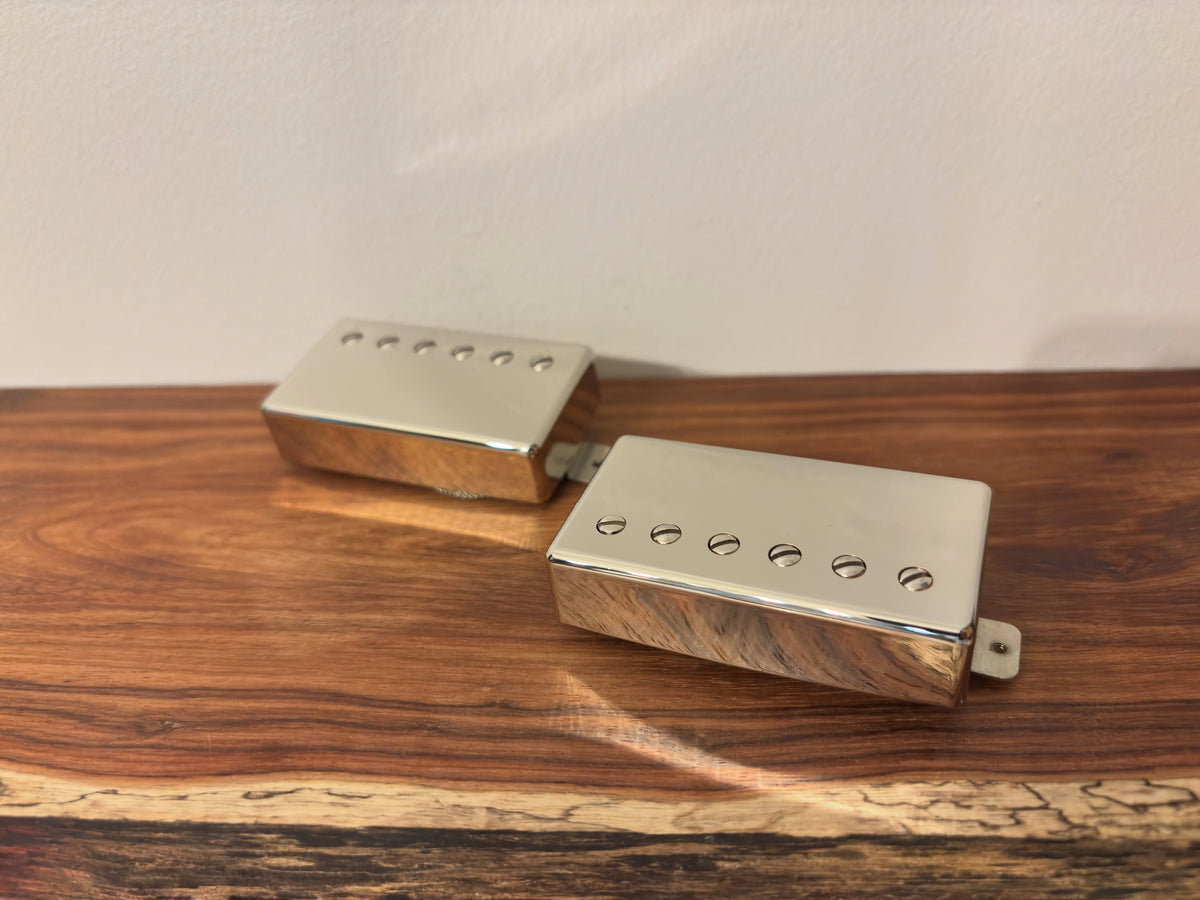
A great single-coil guitar does not simply sound bright. It sounds awake. The low strings stay shaped when you lean into a chord, the plain strings cut without turning brittle, and every note has enough separation to hold its place through an amp, a pedalboard, or a full band. That is single coil clarity: not a scoop of extra treble, but a pickup and guitar working together so your hands come through.
Players often describe an uninspiring single coil as muddy, thin, harsh, or flat. Those words can sound contradictory until you hear the common problem: the pickup is not presenting the useful parts of the guitar's voice in balance. A neck pickup can be both dark on the wound strings and sharp on the high E. A bridge pickup can have plenty of output but no authority. Good clarity gives each register a job to do.
Single Coil Clarity Is About Separation
When a clean chord rings out, clarity means you can hear the individual notes without the sound becoming clinical or weak. When you add gain, it means the chord retains its shape instead of collapsing into a wash of upper mids. It also means your volume knob and pick attack make a difference. Back off the guitar volume and the tone should clean up with purpose, not disappear behind the rest of the band.
That response is why many players keep coming back to single coils, even when humbuckers might seem like the easier choice. A well-voiced single coil has a quick, direct feel. It catches the edge of a pick, the roundness of fingerstyle playing, and the small changes in where you strike the string.
But clarity is not the same as maximum brightness. Too much top end can exaggerate fret noise, make a clean amp feel punishing, and turn a bridge pickup into an ice pick. Too little high-end extension can make a guitar feel polite and buried. The goal is usable detail, with enough body underneath it to make the detail worth hearing.
What Shapes a Clear Single-Coil Tone
Pickup design starts the conversation, but it is never the whole guitar. Magnet type and strength, wire gauge, turn count, coil shape, pole-piece geometry, and pot values all influence the final result. Small changes can matter because a single coil is naturally revealing.
A lower-output vintage-leaning wind often has more open high-end response and a little more space around notes. That can be ideal for players who want woody neck tones, chimey rhythm work, or edge-of-breakup dynamics. It does not automatically mean the pickup is better for everyone. In a very bright guitar with a bright amp, a lower-output pickup may need thoughtful height adjustment or a warmer wiring choice to keep it from getting too lean.
A slightly fuller wind can put more meat behind the note and give the bridge position more push. Done well, it can still stay clear while making a Strat-style or Tele-style guitar feel more confident under gain. Done without balance, it can crowd the mids, soften the attack, and make the neck position lose that open quality players expect.
Magnets have their own feel as well. The familiar shorthand is that some magnet choices feel sweeter and softer while others bring more bite and firmness, but the full pickup recipe matters more than any one ingredient. A pickup is a system. The wire, winding pattern, magnets, baseplate or cover, and the guitar itself all have a say.
That is one reason hand-wound, small-batch pickup work matters. It allows the wind to be chosen for the actual job at hand rather than treating every guitar as if it came from the same piece of wood with the same hardware, pots, amp, and player.
Your Guitar Has a Voice Already
A pickup should reveal the instrument's natural character, not overwrite it with a generic sound. An ash-bodied, maple-neck bolt-on guitar may already have plenty of attack. A warmer guitar with a rosewood board or heavier hardware may need a pickup that restores some air and definition. Two guitars with identical model names can still respond very differently once plugged in.
Before choosing a pickup, pay attention to what the guitar does acoustically. Does the low E bloom too much? Are the upper strings naturally thin? Is the bridge position lively but underpowered, or does it sound compressed before it even reaches the amp? Those clues are more useful than chasing a spec sheet in isolation.
Pickup Height Can Make or Break the Result
Before replacing anything, adjust your pickup height. This is one of the most overlooked ways to improve clarity, and it costs nothing but a few minutes and a screwdriver.
If a single coil sits too close to the strings, the magnetic pull can interfere with string vibration. You may hear strange warbling on sustained notes, uneven volume from string to string, or a congested attack that feels louder but less musical. The bass side is particularly worth watching because the thicker strings can overpower the rest of the set.
Lowering the pickup slightly often opens the sound up. Notes gain dimension, chords separate more clearly, and the high strings can become less spiky. Raise it too far away, though, and you may lose fullness and immediacy. There is no universal measurement that beats listening.
Start by setting a usable height, then compare the neck and bridge positions at the same amp settings. Play open chords, single-note lines, and bends high on the neck. Listen at clean volume and with the amount of gain you actually use. The best setting is usually a compromise that gives you even string balance and the right feel under your picking hand.
Wiring Is Part of the Pickup Choice
A clear pickup can be held back by the rest of the circuit. Pot values, tone capacitor choices, cable capacitance, and even a worn switch or volume pot can change how much top end reaches the amp.
Many traditional single-coil guitars use 250k pots because they smooth the top end and keep the overall sound from becoming excessively sharp. That is often the right call, but it depends on the pickup and guitar. A darker setup may benefit from a different value, while a naturally bright instrument may need the familiar 250k load to stay comfortable. There is no prize for running the brightest possible electronics if you spend every gig rolling off the tone knob.
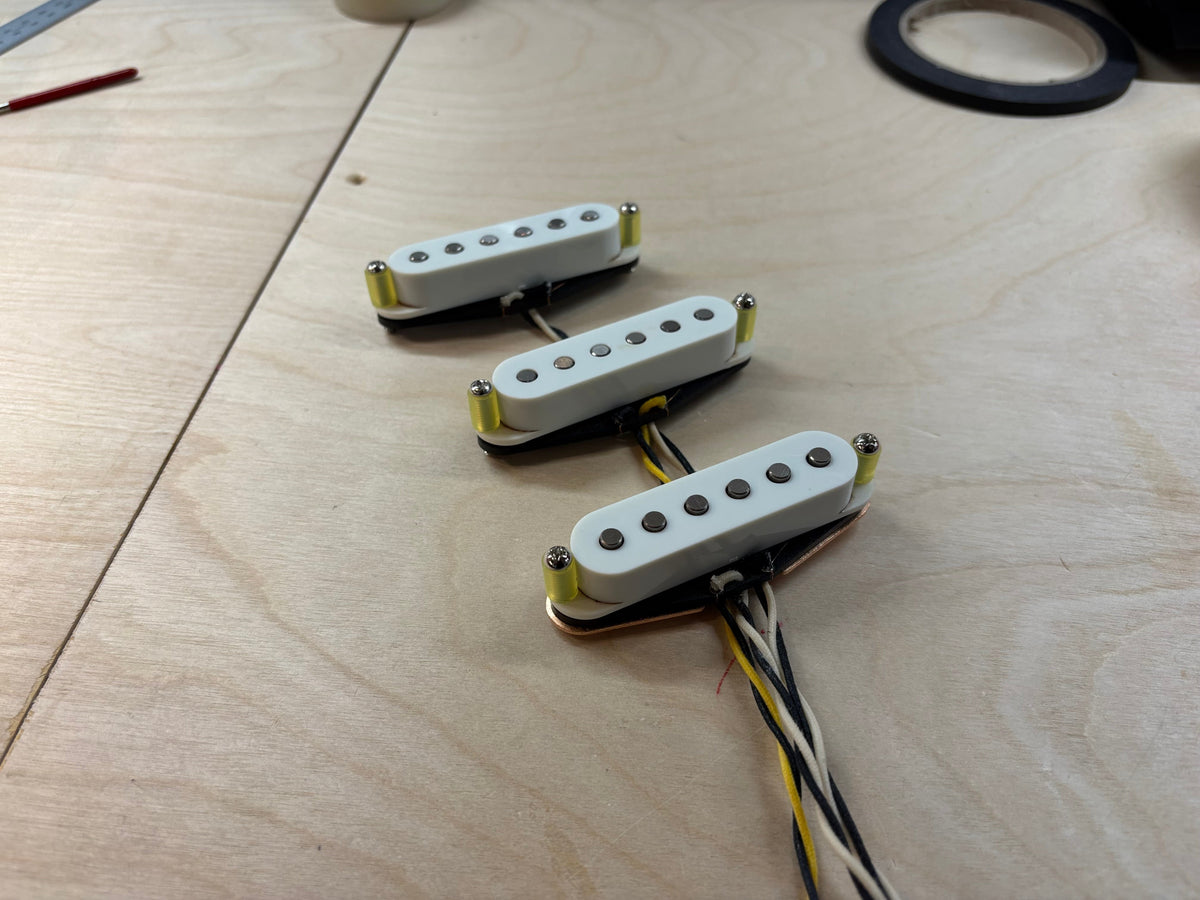
Thoughtful wiring can solve practical problems without taking away the reason you wanted single coils in the first place. A bridge tone control can tame an aggressive bridge pickup. A blend option or series setting can add a thicker voice for a song that needs it. RWRP middle pickups provide hum-canceling in positions two and four, which is useful on a noisy stage, while the individual positions retain their traditional single-coil character.
Noise is the trade-off. Real single coils pick up electromagnetic interference, especially around dimmers, neon signs, computer screens, and questionable venue wiring. Shielding the cavities, checking grounds, and using quality wiring can reduce nuisance noise, but they will not turn a traditional single coil into a noiseless design. For many players, the touch response and open top end are worth managing that reality. For others, a noiseless or stacked design may be the better working tool.
Clarity Changes With the Rig
The same pickup can sound glorious through one rig and disappointing through another. A dark British-style amp, a high-headroom American clean amp, a compressor, an overdrive, and a fuzz all emphasize different parts of the signal. If your guitar sounds dull through a heavily padded pedal chain, replacing pickups may not be the first move. Test it straight into the amp first.
Your strings matter too. Old strings lose harmonic detail, while a fresh set can make a guitar seem like it received a pickup upgrade overnight. Pick material, gauge, and attack all affect perceived clarity. A heavy pick played close to the bridge produces a very different message than fingers over the neck pickup.
When you are evaluating tone, use familiar musical parts rather than only isolated notes. Play the chord voicings you use at rehearsal. Hit the rhythm pattern that disappears in your band mix. Try the lead line that normally gets piercing. A pickup has to work in songs, not just impress for ten seconds in a quiet room.
Choosing Clarity for Your Playing
If you play clean worship parts, funk, country, indie, or studio sessions, you may value fast attack, string separation, and a neck pickup that stays articulate with reverb and delay. If you play blues, classic rock, or roots music, you may want clarity with more midrange bloom and a bridge pickup that can push an amp without getting brittle. Higher-gain players often need a fuller single coil that keeps palm-muted riffs defined and lead notes vocal.
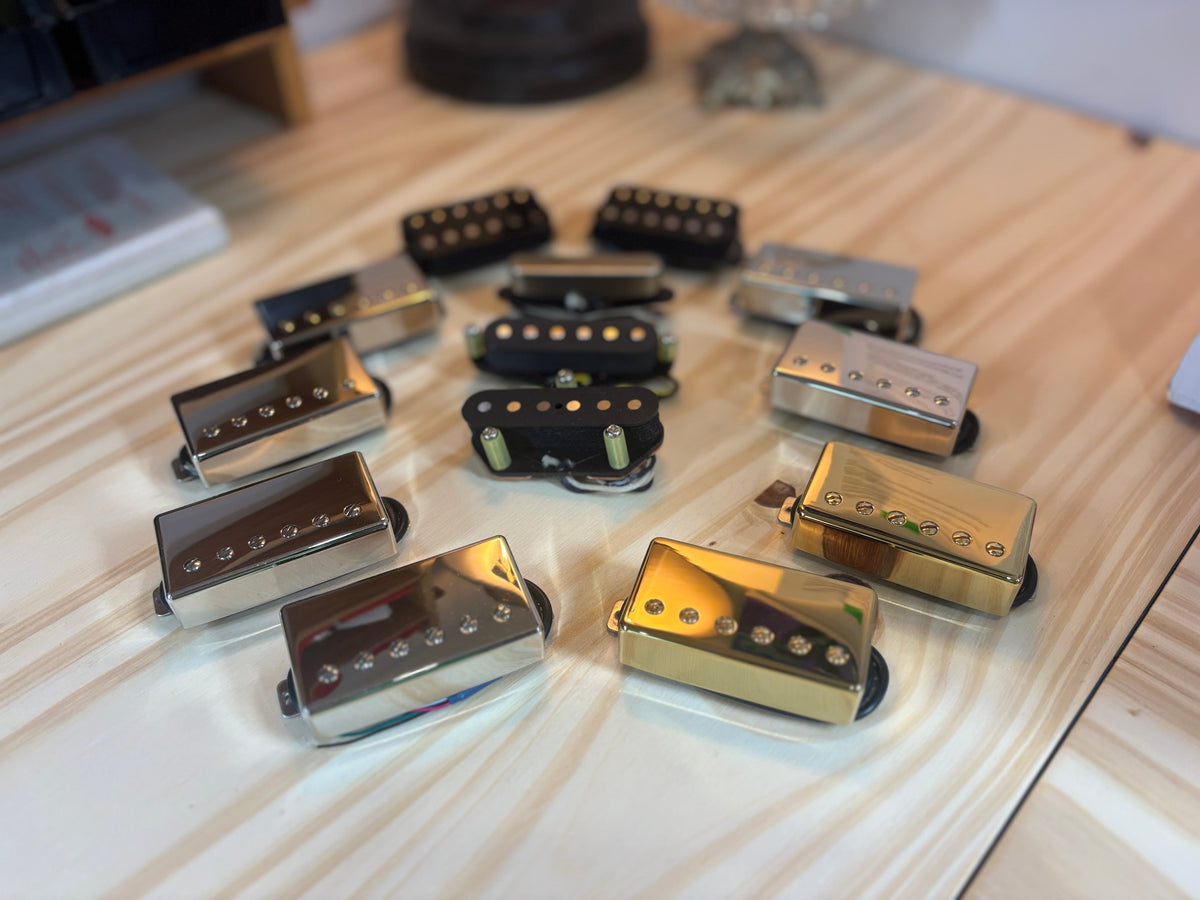
The right answer depends on the guitar and the work it needs to do. That is where a direct conversation is more valuable than a label like vintage, hot, or Texas. Tell the builder what instrument you have, what feels wrong now, what amp you use, and what tones you are trying to reach. At Pegcity Pickups, that kind of real-world detail is the starting point for a useful recommendation, not an afterthought.
A clear single coil should make you want to keep playing because it gives your hands something honest to work with. When the notes stay distinct, the bridge has bite without pain, and the neck pickup remains warm without fog, your guitar stops asking you to compensate for it. It starts answering back.

Leave a comment
This site is protected by hCaptcha and the hCaptcha Privacy Policy and Terms of Service apply.