
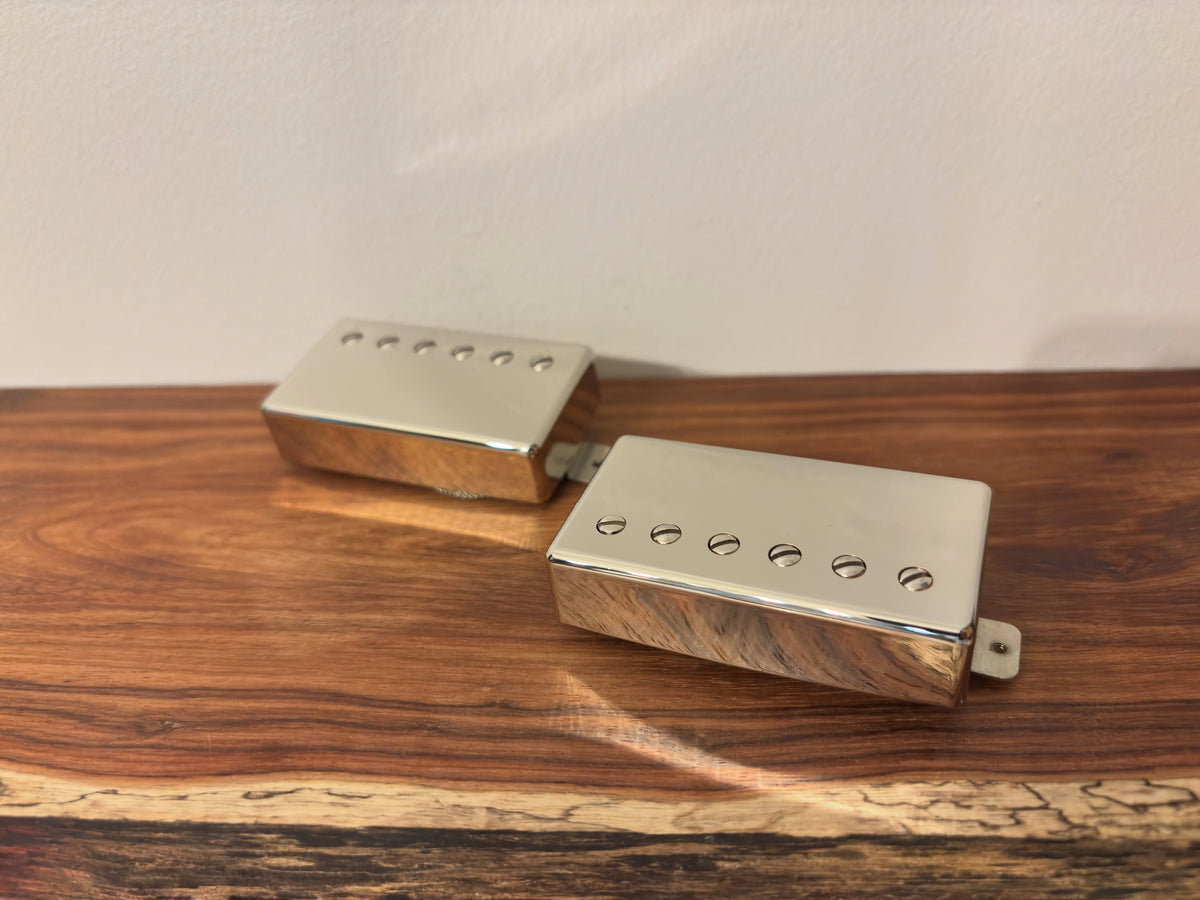
A great blues pickup does not make every note sound the same. It lets a bent note bite a little harder, lets a chord clean up when you roll back the guitar volume, and keeps the neck position from turning into a blanket over your amp. The best pickups for blues guitar are not one fixed set or one famous vintage spec. They are the pickups that translate your touch, work with your amp, and leave enough room for your own phrasing.
That is why the old advice to simply buy the lowest-output pickup you can find is incomplete. Plenty of blues players love low-output, vintage-style windings. Plenty also need a little more push, a smoother top end, or a bridge pickup that will not disappear beside a drummer. The useful question is not, "What did a particular legend use?" It is, "What is my guitar failing to say right now?"
What Blues Tone Actually Needs From a Pickup
Blues is a broad neighborhood. A clean, edge-of-breakup Strat sound asks different things of a pickup than a cranked humbucker through a small tube combo. Still, expressive blues tone usually depends on three qualities: dynamic response, clear midrange, and a top end that has presence without taking your head off.
Dynamic response is the big one. Pick softly and the sound should stay open. Lean into the string and it should growl, compress slightly, or push the front of the amp into breakup. A pickup with too much output can flatten those changes, especially through an already-gainy amp. One with too little output may sound beautifully airy at home but leave you working too hard on stage.
Midrange is where the guitar speaks. Scooped pickups can sound wide and pretty by themselves, but a modest midrange focus often helps a lead line sit in a band mix. The goal is not a nasal sound. It is enough vocal character that your bends, slides, and vibrato feel present without adding more gain.
The high end matters just as much. Blues players need definition for double-stops and chord fragments, but harsh treble makes a bridge pickup feel like a compromise. Pickup design, pot values, cable capacitance, amp settings, and speaker choice all contribute here. Change a pickup because the guitar’s core response needs help, not because one treble control setting is off.
Best Pickups for Blues Guitar by Guitar Style
Strat-style guitars: vintage clarity or a stronger bridge
A traditional Strat single-coil set remains one of the most convincing blues voices ever made. Lower-output, vintage-leaning winds tend to deliver glassy cleans, fast note attack, and that hollow, woody neck-and-middle character. They respond beautifully to a tube amp set right at the edge of breakup.
For many players, though, the bridge pickup is the sticking point. A slightly overwound bridge coil can add body and sustain while preserving the familiar Strat snap. Another practical move is connecting the bridge pickup to a tone control. It is a small wiring change with a huge payoff: the bridge becomes usable for a sharp lead sound, then easy to round off for rhythm work.
If 60-cycle hum is a serious problem in your rehearsal space or under stage lighting, a noiseless design may be the right call. The trade-off is that some noiseless pickups feel a little more controlled and less raw than a traditional single coil. Good designs can get very close, but players who live for that barely-contained single-coil edge may still prefer the real thing and manage noise when it appears.
Tele-style guitars: bite with more body than you expect
A good Tele bridge pickup has the authority to cut through a loud band without needing excessive output. For blues, look for a bridge wind that keeps the attack lively but adds enough midrange that notes do not get thin or spiky. The classic Tele bridge plate and pickup construction create their own unmistakable snap, so chasing a huge overwind is rarely necessary.
The neck pickup deserves equal attention. A clear, open Tele neck pickup can be warm and almost jazzy, while a covered design can become dark if the rest of the guitar already leans warm. If your neck tone gets muddy with overdrive, prioritize clarity and note separation over more bass. You can always add warmth at the amp; you cannot easily recover a blurred note once the pickup has lost it.
Les Paul and other humbucker guitars: clarity before output
For bluesy humbucker guitars, a medium or vintage-output PAF-style set is often the sweet spot. It gives you enough output to drive an amp naturally, but keeps the pick attack and harmonic detail that make a humbucker feel alive. A well-voiced neck humbucker should be thick without becoming woofy. A well-voiced bridge humbucker should sing without taking on a brittle, hard upper-mid spike.
Alnico magnet choice can shape the feel. Alnico II is often associated with a softer attack, sweeter highs, and a little natural give under the fingers. It can be a great fit for a bright guitar or a player who wants a forgiving lead sound. Alnico V generally brings firmer lows, more immediate attack, and stronger top-end presence. Neither is automatically better. A dark, dense Les Paul may wake up with Alnico V, while a naturally bright instrument may feel more balanced with Alnico II.
If you want a humbucker that handles both blues and heavier classic-rock territory, moderate output is usually more useful than high output. You can make a moderate pickup sound bigger with the amp. It is much harder to make an overwound, compressed pickup recover the openness needed for clean rhythm and volume-knob cleanup.
P-90 guitars: the direct route to grit
P-90s sit in a beautiful middle ground. They have more midrange thickness and push than most Fender-style single coils, but they retain more air and string detail than a typical humbucker. For blues, that means a snarling bridge tone, a wide and vocal neck tone, and an honest response to picking dynamics.
The obvious trade-off is hum. A traditional P-90 can be noisy around bad power or lighting, but many players accept it because the sound has an immediacy that is hard to fake. If noise makes your usual gigs stressful, hum-canceling options are worth considering. Just do not assume the quietest pickup is automatically the most expressive one.
Output Is a Feel Choice, Not a Scorecard
DC resistance gets discussed constantly, but it does not tell the whole story. Wire gauge, coil geometry, magnet strength, inductance, and the guitar’s construction all affect the final result. Treat DC resistance as a clue, not a verdict.
In practical terms, lower-output pickups often offer more openness, string-to-string detail, and volume-knob range. Medium-output pickups add a little more muscle and midrange, which can help a naturally thin guitar or a player who needs leads to step forward. Higher-output pickups can work for aggressive blues-rock, but they may reduce the contrast between gentle and hard picking.
Before choosing a hotter set, try your guitar with the volume backed down to seven or eight and the amp set slightly louder than usual. If that interaction is what you love about blues, choose a pickup that preserves it. Your guitar’s controls should feel like part of the instrument, not like emergency switches.
Do Not Ignore the Rest of the Circuit
A pickup swap can transform a guitar, but it is only one part of the signal path. Old or incorrect-value pots can make a great pickup seem dull or painfully bright. A small capacitor change, a treble-bleed circuit, pickup height adjustment, or a different string gauge can solve the issue you thought required a new set.
Pickup height is especially worth checking. Raise a pickup too close to the strings and you may gain output but lose sweetness, sustain, and tuning stability from magnetic pull. Lower it slightly and the guitar may suddenly sound wider and more touch-sensitive. Start with a reasonable factory-style height, then adjust by ear with your actual amp settings.
For Strat and Tele players, a neck-and-bridge combination is also a worthwhile option when wiring allows. It offers a fuller, almost humbucker-like rhythm texture while keeping the articulation of single coils. For humbucker guitars, quality coil splits or partial splits can add useful colors, but do not expect every full-size humbucker to become a convincing Strat pickup. A good split sound is a bonus, not a replacement for choosing the right fundamental voice.
Choose for the Guitar You Own
The most satisfying pickup upgrades start with an honest description of the instrument. Is the neck position muddy? Is the bridge harsh? Does the guitar feel lifeless through an amp you otherwise love? Does it sound great alone but disappear in a band? Those answers are far more useful than a list of famous players.
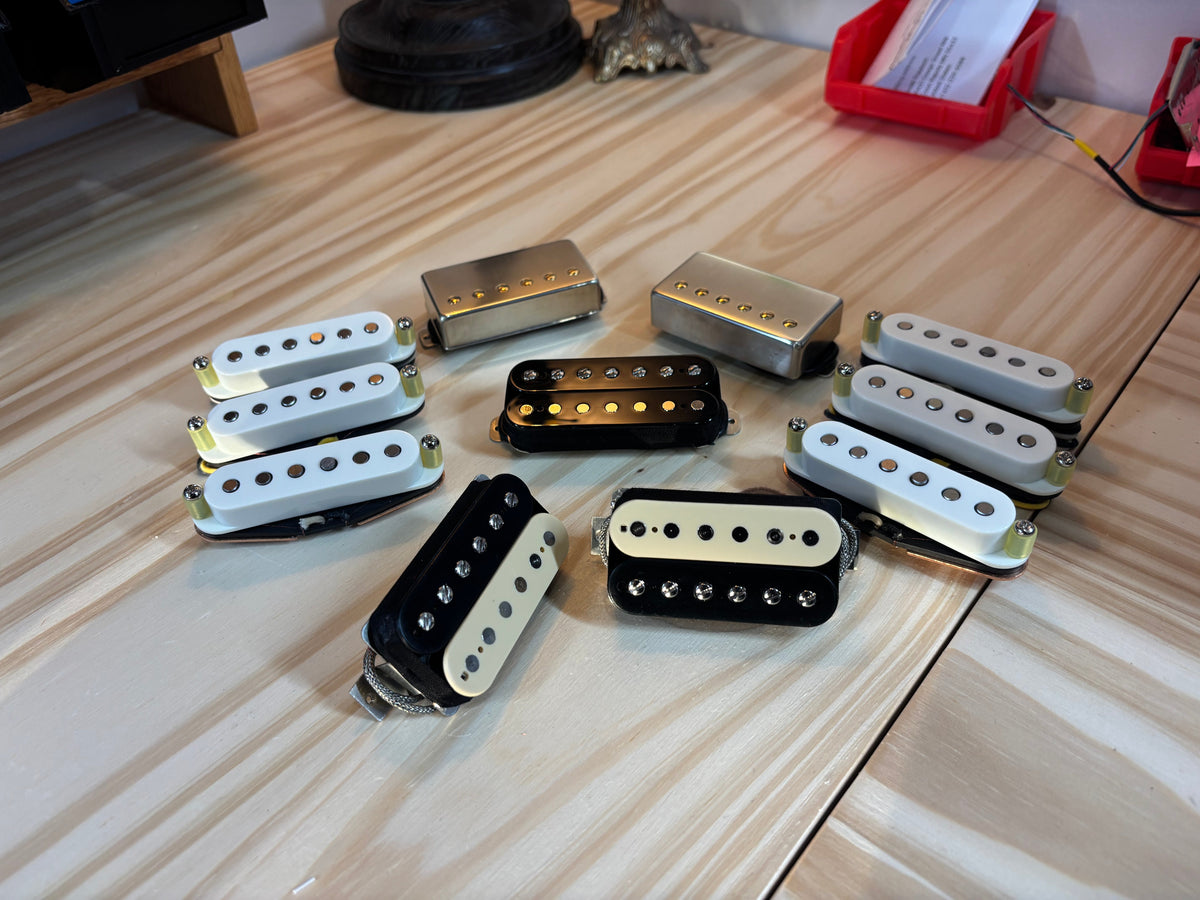
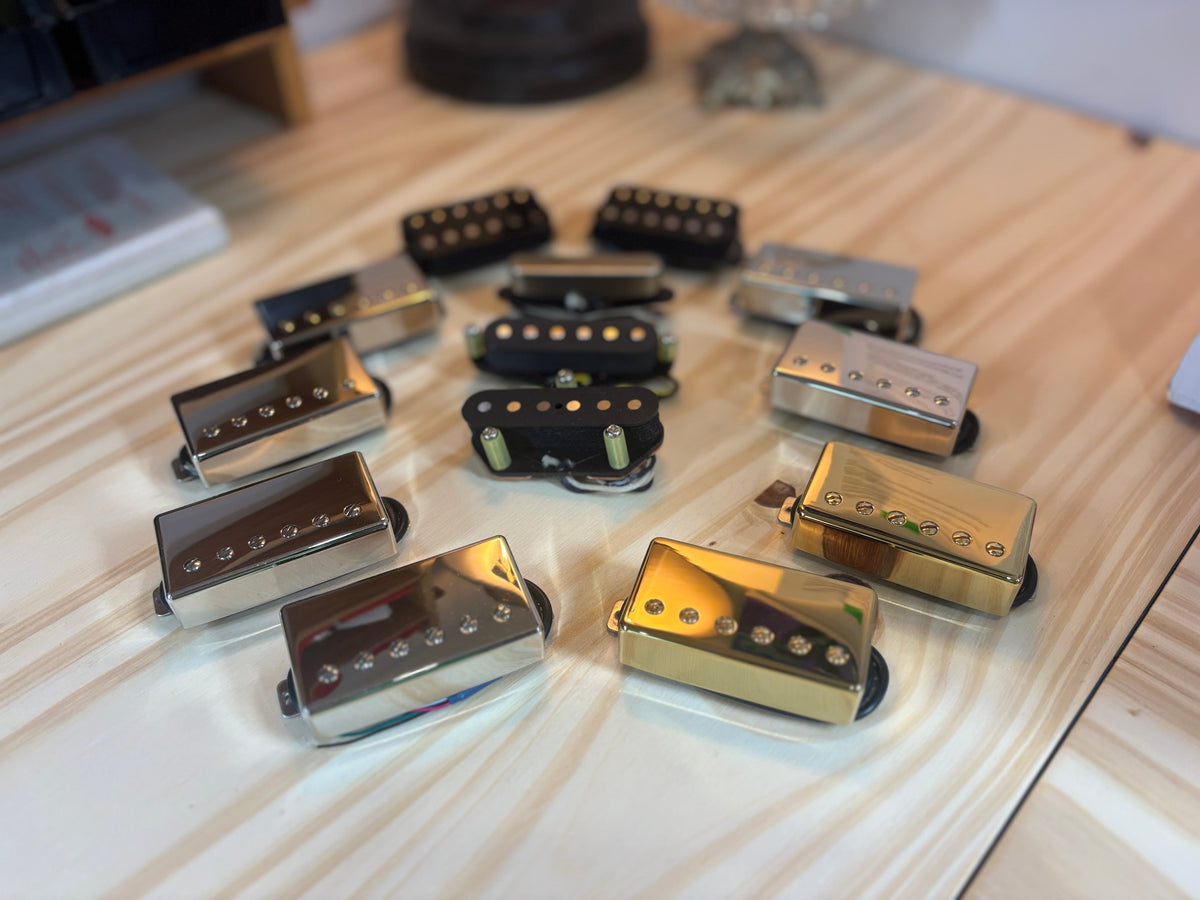
A bright ash-bodied Tele, a heavy mahogany single-cut, and a lightweight alder Strat may all need different solutions, even when the player wants “blues tone.” That is where small-batch, hand-wound work earns its place. At Pegcity Pickups, the useful starting point is always the guitar, the rig, and the player’s hands - then the winding, magnet choice, output, and wiring can serve that real-world goal.
Give your pickup choice enough room to be personal. The right set should not make your guitar sound like someone else’s record. It should make you want to stay on the same phrase for another chorus, because every small change in your hands is finally coming through.

Leave a comment
This site is protected by hCaptcha and the hCaptcha Privacy Policy and Terms of Service apply.