
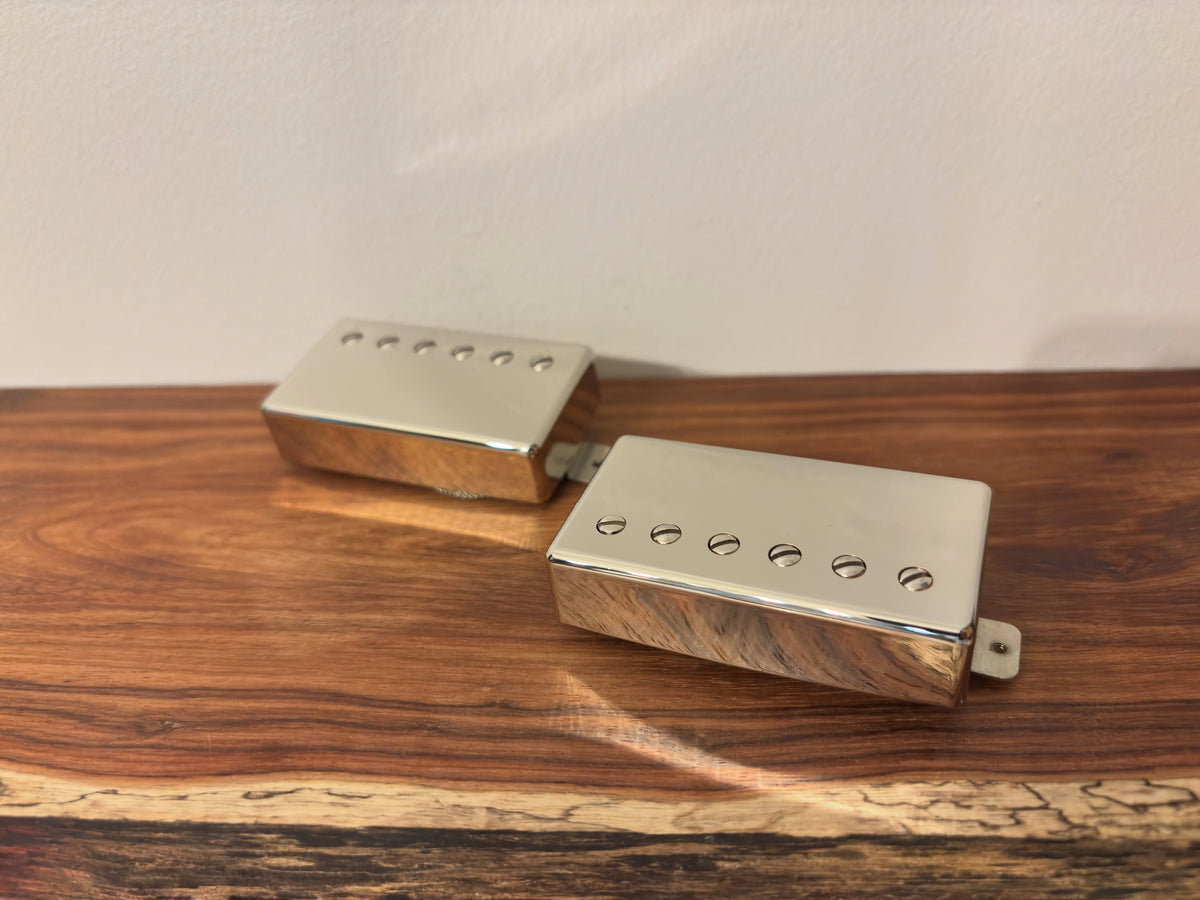
A Strat that hums loudly under stage lights can make a great guitar feel like work. The best noiseless Strat replacements cut that 60-cycle noise without turning your familiar, touch-sensitive single-coil sound into something flat, compressed, or overly polite. That last part matters. Silence is easy to chase; keeping the snap, bloom, and dynamic response that make a Strat special takes better design and a clear idea of what your guitar needs.
The right choice depends on whether you want glassy vintage clean tones, a fuller bridge for gain, a balanced all-purpose set, or a studio-ready guitar that behaves around lights, computers, and pedals. There is no single noiseless pickup that wins for every Strat player. There are, however, a few designs that consistently make sense once you know the trade-offs.
What Makes the Best Noiseless Strat Replacements?
Traditional Strat pickups are single coils. Their simple construction is a big part of their voice: open high end, quick attack, low-string clarity, and a little bit of ragged edge when you dig in. They also act like antennas for electrical interference. The familiar hum is not a defect in a properly made vintage-style pickup. It is the cost of that original design.
Noiseless replacements use two coils, a dummy coil, or another hum-canceling approach to reject interference. The challenge is that a second coil adds inductance and changes how the pickup interacts with the guitar, cable, pots, and amp. Done poorly, the result can feel darker, smoother, or less immediate than a good single coil. Done well, a noiseless set still lets you hear pick attack, fretboard character, and the individual personality of your instrument.
Before choosing, ask a practical question: is noise your main problem, or are you also trying to fix a thin bridge pickup, a boomy neck, uneven output, or harsh highs? A replacement set is the best time to solve the whole tonal equation rather than only silence the hum.
The Main Noiseless Strat Pickup Designs
Stacked single coils for the closest traditional look
A stacked pickup places a second coil beneath the main coil. From the top, it looks like a regular Strat pickup, so it preserves the classic visual. This is often the best starting point for players who want a convincing vintage-style response but need quieter performance for recording, worship stages, or high-gain pedalboards.
The best stacked designs keep the upper coil doing most of the audible work while the lower coil cancels hum. They can retain a lot of single-coil sparkle, though some sets have a slightly more focused midrange and less airy top end than a true vintage pickup. If your guitar is already bright and lively, that can be a welcome trade. If it is naturally dark, pay attention to pickup voicing and pot values.
Side-by-side rail designs for output and consistency
Rail pickups place two narrow coils next to each other. They cancel hum effectively and often provide a more even response during big bends because the magnetic field covers a wider area than six individual pole pieces.
This design is a strong choice for players using higher gain, heavier strings, or more aggressive styles. It can give the bridge position more authority and sustain than a traditional low-output pickup. The compromise is feel: rail designs often sound less like a late-'50s Strat and more like a refined, compact humbucker in single-coil clothing. That is not a bad thing if you want a Strat that can drive an amp hard without getting sharp or thin.
Vintage-output noiseless sets for clean and edge-of-breakup players
For blues, roots rock, country, funk, pop, and worship players, a lower-output noiseless set is usually the smart move. These pickups leave room for the amp to breathe. Chords stay separated, the neck pickup avoids getting woolly, and the in-between positions keep their hollow quack.
Look for a set voiced with a slightly warmer bridge and a neck pickup that has clear bass rather than oversized bass. The goal is not exaggerated treble. It is a top end that remains present when you roll back the tone control or use a long cable chain. A well-balanced vintage-output set also makes your volume knob more useful, cleaning up naturally without disappearing in a band mix.
Hotter noiseless sets for a bridge pickup that can lead
Many Strat players love the neck and middle positions but avoid the bridge because it sounds too lean on its own. A hotter noiseless bridge pickup can change the entire usefulness of the guitar. More windings and a purpose-built magnetic recipe can add mids, push the front of an amp, and make lead tones feel bigger without needing a drastic EQ change.
The trade-off is that hotter is not automatically better. Too much output can blur the chime in positions two and four, make the neck pickup seem weak by comparison, and reduce the clean headroom some players expect from a Strat. A calibrated set, rather than three identical pickups, is usually the better route. Let the bridge carry a little extra muscle while the neck and middle stay open.
Split-coil noiseless designs for a more single-coil-like attack
Some noiseless Strat pickups use a split-coil arrangement rather than a conventional stack. Their makers are chasing a particular goal: hum cancellation with less of the compressed character associated with certain stacked designs.
These can be excellent for players who are sensitive to transient response. You may notice more pick definition, more string-to-string separation, and a more familiar reaction when you change picking pressure. They are worth considering if you have tried noiseless pickups before and felt they sounded technically clean but emotionally restrained.
Active noiseless pickups for maximum quiet and control
Active Strat systems use a preamp along with low-impedance pickups. They are remarkably quiet, resistant to cable-related high-end loss, and consistent across a demanding signal chain. For touring, dense pedalboards, and high-gain rigs, that reliability has real value.
Still, active pickups are a different commitment. They need a battery, may require routing or altered wiring, and can feel more controlled than a passive pickup. Players who live on pristine cleans or saturated modern tones may love the precision. Players who want every small change in touch to push and pull the amp may prefer a passive noiseless design.
Dummy-coil systems for players who love their current pickups
If you already have a set of single coils you genuinely love, a dummy-coil system can reduce noise without replacing the pickups themselves. This is a useful option for a vintage instrument or a guitar with a voice that is already exactly right.
The result depends heavily on the installation. A dummy coil still affects the electrical load on the pickups, and the wiring needs to be planned carefully. It is not always the most economical route, but it can be the right one when preserving the original pickups matters more than installing a new set.
Choosing a Set for Your Actual Strat
Start with the guitar, not a generic spec sheet. A bright alder Strat with a maple board often benefits from a rounder bridge and a controlled top end. A darker rosewood-board guitar may need more upper-mid presence to stay lively. Ash bodies, heavier instruments, lightweight bodies, and different tremolo blocks can all shift the balance enough that the same pickup set behaves differently from one Strat to another.
Your amp matters just as much. A blackface-style clean amp tends to reveal treble and low-end detail, while a mid-forward British-style amp may make a hot pickup sound much thicker. If most of your gain comes from pedals, avoid assuming you need the hottest pickup available. A clear, medium-output pickup often handles drive pedals better because it gives the pedal a more defined signal to work with.
Also consider your wiring. A 250k volume pot is the traditional Strat starting point and often helps a noiseless design stay smooth. Some pickups benefit from 500k pots for extra openness, but that can also expose harshness in the bridge. Treble-bleed circuits, tone-cap values, and assigning a tone control to the bridge pickup are small changes with big practical consequences.
Don’t Ignore Setup and Installation
Pickup height can make a great noiseless set sound disappointing. Set too close to the strings, the magnets can pull on the strings, creating warble, false overtones, and an oddly stiff feel. Set too low, and the pickup loses impact and presence.
Begin lower than you think, then raise each pickup in small increments while comparing clean chords, single-note lines, and your normal gain sound. Balance the volume across all five switch positions instead of chasing maximum output from each pickup alone. The middle pickup should support positions two and four, not overpower them.
If you are ordering a custom set, share the useful details: your guitar’s woods, fretboard, pots, amp, favorite players or recordings, gain level, and the one thing you wish the guitar did better. That is the conversation that turns a generic upgrade into a pickup set that feels made for your instrument. At Pegcity Pickups, that player-first approach is the point of hand-winding and custom voicing.
The best noiseless Strat replacement should make you forget you were solving a noise problem. When the guitar is quiet, responsive, and still sounds like your guitar through your own hands, you stop thinking about electronics and start playing longer.


Leave a comment
This site is protected by hCaptcha and the hCaptcha Privacy Policy and Terms of Service apply.