
A pickup swap can turn a guitar you almost sold into the one you reach for first. That is why P90 vs humbucker tone is not just a spec-sheet debate. It is a question of how your guitar reacts under your hands, how it sits with a band, and whether it makes you want to keep playing after the first chord.
P90s and humbuckers can both be thick, powerful, and expressive. But they get there in very different ways. One has more exposed edge and air. The other brings more weight, compression, and quiet control. Neither is automatically better. The right choice depends on your guitar, your amp, and what you feel is missing when you plug in.
P90 vs Humbucker Tone: The Core Difference
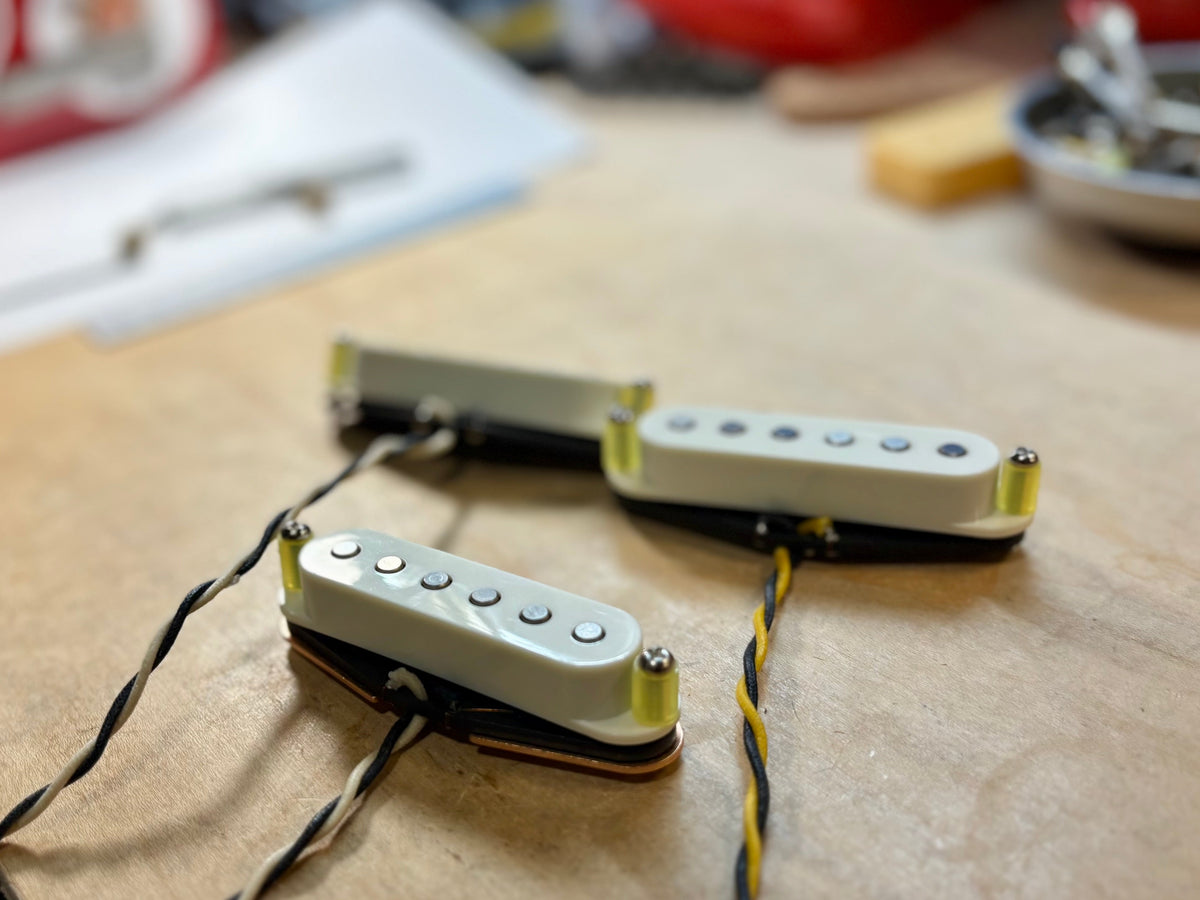
A P90 is a single-coil pickup with a wide coil and larger magnetic structure than a typical Strat or Tele-style single coil. That broad sensing area is a big part of its voice. It hears plenty of string movement, delivers healthy output, and keeps a raw, immediate quality that many players describe as alive.
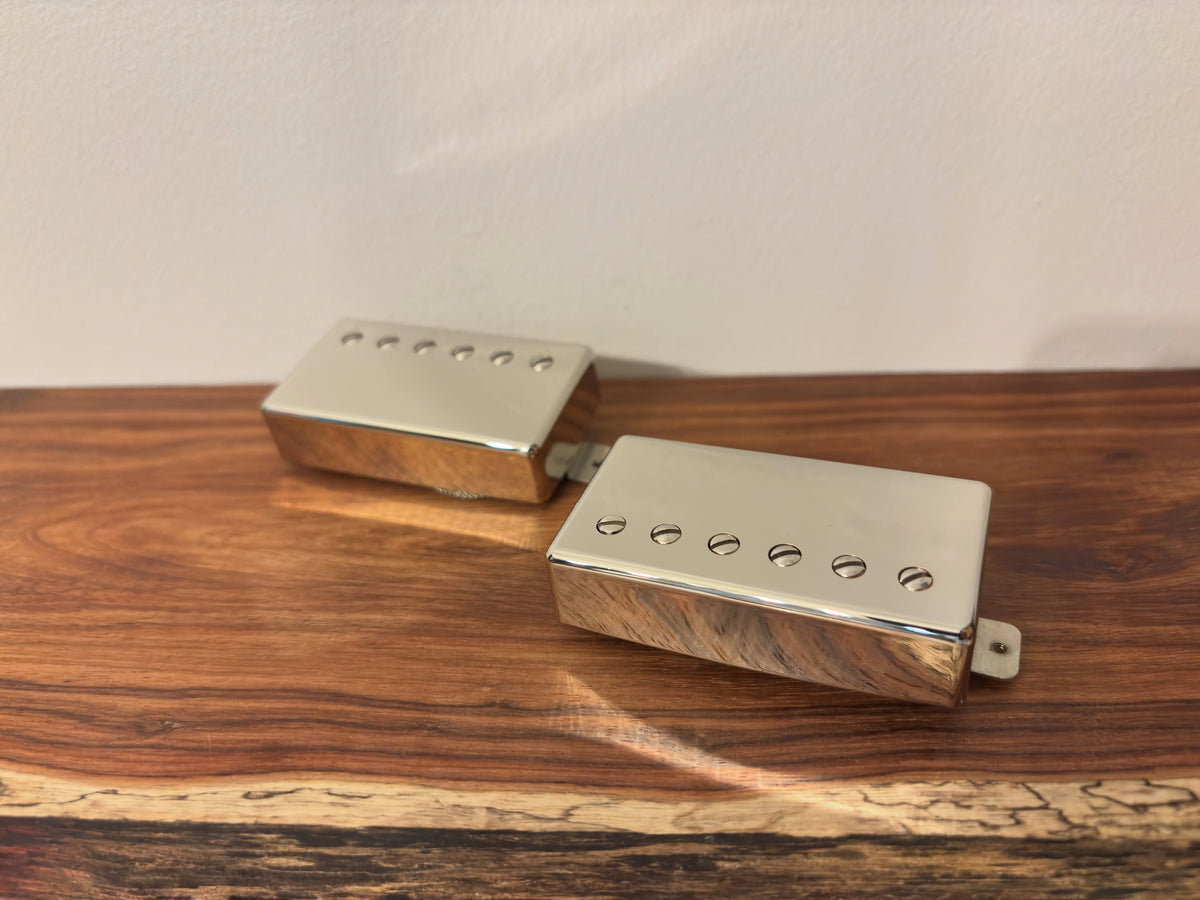
A humbucker uses two coils wired together to cancel much of the electrical hum that comes with single-coil designs. The two-coil construction changes more than the noise floor. It generally produces a thicker midrange, a smoother top end, and a more compressed response than a P90.
Put simply, a good P90 often sounds like a single coil that grew some muscle. A good humbucker sounds like a bigger, more focused engine. There is overlap, especially with custom winds, magnet choices, and pickup height, but that basic distinction remains useful.
What a P90 Brings to a Guitar
P90s have a directness that can make a familiar guitar feel more awake. Pick lightly and they can be round, woody, and almost acoustic at the edge of clean breakup. Dig in, and they answer with bark, grind, and a sharp, vocal midrange that refuses to disappear in a mix.
The bridge P90 is often where players fall in love. It has more bite and texture than a typical humbucker, but it is usually fuller and less thin than a traditional narrow single coil. It works beautifully for garage rock, blues, punk, roots music, indie rock, classic rock, and worship players who want drive tones to retain some string definition.
At the neck, a P90 can be warm without becoming too polite. There is usually more clarity around the note than you might hear from a dark neck humbucker. Chords have dimension, and overdriven lead lines can have a chewy, slightly rude quality that feels great through a responsive tube amp.
That extra openness comes with a trade-off: noise. A traditional P90 is a true single coil, so it can pick up hum from lights, dimmers, old wiring, and high-gain rigs. In a quiet room, that may be a small price for the tone. On a high-gain stage or in a studio full of electrical interference, it can become part of the decision.
What a Humbucker Brings to a Guitar
Humbuckers tend to give you a broader, denser sound with less background noise. They are often the easy choice for players who need gain, sustain, and dependable consistency from venue to venue. Palm-muted riffs hit harder, lead notes feel smoother, and a driven amp can feel more forgiving under the fingers.
A great bridge humbucker has authority. It can push an amp into breakup, keep low strings solid, and make a Les Paul-style guitar feel huge without turning every chord into a blur. That said, output alone does not define a humbucker. A lower-output, vintage-voiced wind can be open and articulate, while a hotter wind may be tighter, thicker, and more compressed.
The neck humbucker is where matching matters most. Too much output, too much inductance, or the wrong height can create the muddy neck tone players complain about. The right neck humbucker should still feel warm, but it should let individual notes inside a chord speak clearly. It should not make you reach for the tone knob every time you leave the bridge position.
Humbuckers also respond well to gain because their smoother high end can take distortion without getting brittle. If your world includes modern rock, heavier worship tones, hard rock, metal, fusion, or long sustaining lead work, that calm, controlled top end can be exactly what the guitar needs.
Attack, dynamics, and feel
This is where the decision gets personal. P90s generally feel quicker on the front of the note. There is more apparent pick attack, more edge around the fundamental, and a little more drama when you vary your picking strength. They can clean up beautifully with the guitar volume, but they do not hide much. Sloppy muting and harsh pick attack are part of the deal.
Humbuckers often feel more rounded and compressed, especially at higher outputs. Notes bloom rather than jump. That can make lead playing feel effortless and make a loud amp easier to manage. It can also mean less of that wiry, touch-sensitive snap some players want from a guitar.
Neither response is superior. If you want every change in your right hand to come through, lean toward a P90. If you want the guitar to feel thick, stable, and supportive when the gain goes up, a humbucker may be the better partner.
Clarity is not the same as brightness
Players sometimes assume P90 means bright and humbucker means dark. Real guitars are not that simple. A bright guitar with a sharp P90 can become aggressive fast. A warm mahogany guitar with a low-output P90 can be rich and balanced. Likewise, a well-designed humbucker can have plenty of cut without sounding thin or harsh.
Clarity is really about separation. Can you hear the notes in a chord? Does the low end stay together when the amp is working? Does the bridge pickup cut through cymbals and another guitar without adding painful treble? Those answers depend on coil wind, magnet type, pot values, pickup height, cable capacitance, and the guitar itself.
That is why DC resistance is not a tone map. It can provide a little context, but it does not tell you how a pickup will sound in your particular instrument. Two pickups with similar resistance can behave very differently because of wire gauge, coil geometry, magnet strength, and construction.
Which Pickup Fits Your Guitar?
A P90 can be a smart move when a guitar feels too smooth, too compressed, or disconnected from your picking hand. Semi-hollows, offsets, junior-style guitars, and slab-body builds all tend to respond well to the P90's blend of muscle and edge. It is also a great option when you want a bridge pickup that cuts without becoming a traditional single-coil ice pick.
A humbucker can be the better choice when the guitar is already bright, when you use substantial gain, or when stage noise is a real problem. It is also hard to beat for players who want a broad clean sound, thick rhythm tones, and singing leads from the same instrument. In a dense band mix, the focused center of a humbucker can make the guitar feel more planted.
If you are building from scratch, consider the physical pickup route before falling in love with a tone concept. Standard soapbar and dogear P90s require different mounting approaches, and a guitar routed for full-size humbuckers may need an adapter or a humbucker-sized P90 design. There are excellent options in both formats, but the fit should be planned rather than forced.
For players who want some of both worlds, a lower-output humbucker can bring more openness, while a hum-canceling P90-style design can reduce noise without abandoning the wide-coil character entirely. These are not exact copies of the traditional designs, but they can be the practical answer for a guitar that has a very specific job.
Let the Guitar Have a Say
The pickup is not a replacement for the instrument's voice. A lively guitar with a strong acoustic fundamental usually rewards a pickup that preserves that response instead of covering it up. Before choosing, think about what happens unplugged, which position you avoid now, and what your amp makes difficult.
At Pegcity Pickups, that is the useful starting point for a custom conversation: not "What is the hottest pickup?" but "What do you want this guitar to do better?" A pickup can add push, clarity, warmth, or bite, but the best result comes from voicing it around the instrument and the player.
If your guitar needs more air, more pick response, and a little honest grit, a P90 may be waiting for it. If it needs quiet power, a stronger foundation, and smoother gain, a humbucker may feel like home. Start with the sound you are chasing when the band counts off, then choose the pickup that makes you play the next part with more conviction.

Leave a comment
This site is protected by hCaptcha and the hCaptcha Privacy Policy and Terms of Service apply.