
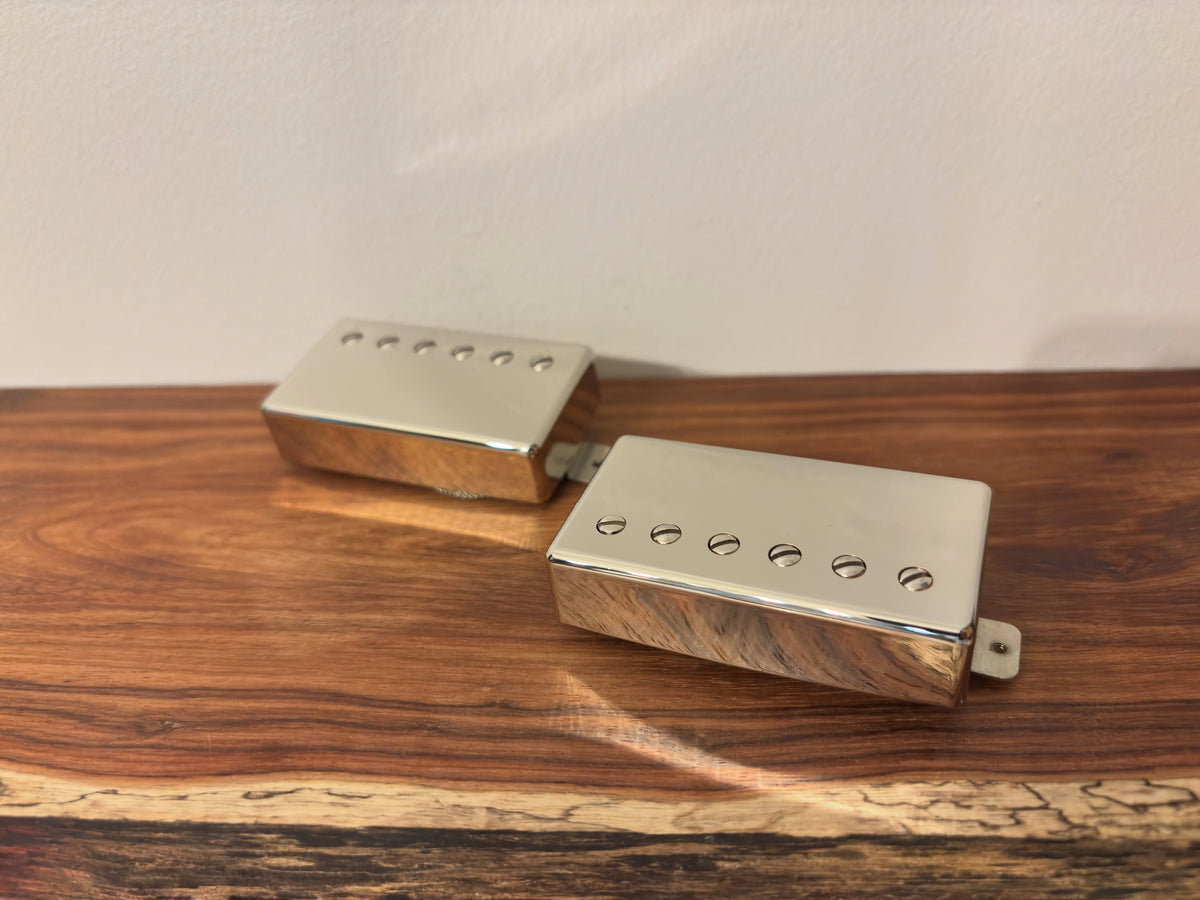
A bass pickup swap can make a familiar instrument feel like it finally has something to say. If your neck position is woolly, your bridge pickup disappears in a band mix, or your low B lacks definition, this bass pickup replacement guide will help you make the change for the right reasons - and get the most from it once the solder cools.
A new pickup is not a magic fix for every bass problem. Old strings, a poorly cut nut, weak pots, a bad setup, or an amp EQ issue can all masquerade as a pickup problem. But when the fundamental voice of the bass is there and the electronics are holding it back, a well-chosen hand-built pickup can bring out more of the instrument's natural punch, clarity, and feel.
Start With the Sound You Want
Before looking at output numbers or magnet types, describe the problem in player terms. “I want more output” is a start, but it is not a full tonal goal. Do you need firmer lows that stay together under gain? More upper-mid presence for pick playing? A warmer, rounder neck sound for fingerstyle? Less hum under stage lights?
Your bass, strings, amp, and playing style all matter. An alder Jazz-style bass with bright stainless strings may need a different direction than a mahogany short-scale bass played through flats. A pickup that sounds huge alone can be too broad or dark beside guitars and cymbals. Conversely, a pickup with more midrange focus may sound less impressive in a bedroom but sit beautifully in a live mix.
Vintage-voiced bass pickups generally favor openness, dynamic response, and the familiar character of classic recordings. Modern-voiced designs may offer stronger low-end control, more output, extended highs, or tighter response under distortion and compression. Neither is automatically better. The right choice is the one that supports what your hands and your band need.
Check What Is Actually in Your Bass
Most replacement headaches happen because someone orders by bass model alone. Two instruments that look nearly identical can have different pickup routes, screw spacing, wiring, or pole-piece layout.
Remove the pickguard or control cover and confirm the basics before ordering. Measure the pickup length and width, the mounting screw positions, and the cavity depth. On a Jazz Bass-style instrument, check whether the neck and bridge pickups are different lengths. They usually are, and reversing them can create poor fit and uneven string coverage.
Also identify the current wiring. A standard passive bass may use two volume controls and a tone control, or volume-blend-tone wiring. A Precision-style bass normally has one split-coil pickup with volume and tone. Active basses require a closer look because the pickup may feed a preamp, and the existing controls might use different pot values than a passive circuit.
Take clear photos before touching a solder joint. Photograph every wire connection, the pickup cavities, and the control layout. That small bit of preparation can save an evening of trying to remember where a black wire originally went.
Passive, Active, and Pickup Compatibility
A passive pickup can often be installed in an active bass, but the wiring plan needs to work with the preamp and control values. Some active systems are designed around low-impedance pickups or specific connectors, so they are not simple drop-in situations. If your bass uses a battery, do not assume every replacement pickup will behave the same way.
For a conventional passive bass, replacing the pickups is usually straightforward. Still, it pays to consider the rest of the circuit. A great pickup wired to worn-out pots or a failing output jack will not show its best side. If the bass is already open and the electronics are scratchy or unreliable, this is a sensible time to refresh them.
Choosing the Right Replacement Pickup
Fit comes first. Tone comes next. Then consider output and noise performance in the context of your rig.
A split-coil P-style pickup is naturally hum-canceling and tends to deliver a solid center image, muscular low mids, and dependable stage performance. Jazz-style single coils can offer more articulation and the useful contrast between neck warmth and bridge bite. When both Jazz pickups are full up, a properly matched pair can hum-cancel. Solo either pickup, and traditional single-coil noise may return.
If you play noisy venues, use high gain, or record near computer screens and lighting, hum-canceling Jazz-style options are worth considering. The trade-off is that some players prefer the airy, raw edge of a traditional single coil. A good modern hum-canceling design can get remarkably close to that feel, but it is still wise to choose with your priorities in mind rather than chasing labels.
Output is another area where bigger numbers do not tell the full story. Higher-output pickups can push an amp harder and add density, but they may also compress the attack or darken the top end. Lower-output pickups often preserve more touch sensitivity and air, particularly with a clean amp. If your bass already has plenty of acoustic volume and low end, clarity and balance may serve you better than brute force.
For custom basses, unusual string spacing, or a pickup route that does not match common production dimensions, custom work can be the cleanest answer. A pickup built around your instrument and tonal goals is often better than forcing a standard part into a nonstandard situation.
Bass Pickup Replacement Guide: Tools and Preparation
The job is approachable if you can solder cleanly and work patiently. Rushing is what damages finishes, lifts solder pads, and creates frustrating intermittent faults.
Set up a clean bench with good light and use a towel or mat under the bass. You will want a temperature-controlled soldering iron, rosin-core electronics solder, a solder sucker or wick, small screwdrivers, wire cutters and strippers, masking tape, a multimeter, and a ruler. A pickup height ruler is handy, though an ordinary metal ruler works well enough.
Loosen or remove the strings so you can access the pickups. If you plan to reuse the strings, wind them loosely and keep them organized. For a complete setup after the installation, fresh strings make evaluation much easier because tired strings can hide the clarity you just paid for.
Use masking tape to label each wire as you remove it. In a typical passive setup, the hot lead goes to a volume pot terminal and the ground goes to the back of a pot. Some pickup makers use multiple conductors for shielding, coil options, or separate grounds, so follow the supplied wiring diagram rather than relying only on wire color.
Installing the New Pickup Without Creating Problems
Heat the existing solder joint only long enough to remove the wire. Too much heat can damage a pot or loosen its internal connection. When attaching the new lead, tin the wire first, then heat the joint and flow a small amount of solder until it is shiny and secure. A dull, grainy joint can indicate a cold solder joint and may cause crackle, weak output, or total signal loss.
Keep pickup leads tidy, but do not pull them tight. Leave enough slack for future service and for raising or lowering the pickup. Make sure bare shielding or ground wires cannot touch a hot terminal where they do not belong.
Before reinstalling every screw and stringing the bass to pitch, plug it in and perform a quick tap test. With the amp at a modest volume, lightly tap each pole piece with a small screwdriver. Confirm that the correct pickup responds when its volume control is raised. Check the volume and tone controls, then gently move the output jack and wiring to listen for crackles or dropouts.
If a Jazz-style bass hums loudly with both pickups full up after replacement, check the wiring and confirm the pair is matched for hum-canceling operation. If the sound is thin and hollow when both pickups are on, one pickup may be electrically out of phase. Do not panic. This is usually a wiring correction, not a ruined pickup.
Pickup Height Is Part of the Tone
A replacement pickup is not finished until its height is set. This is where many good installations leave tone on the table.
Start with the strings fretted at the last fret. Set both sides of each pickup at a moderate distance from the strings, then listen. Raise the pickup gradually for more output, attack, and immediacy. Lower it for more openness and a little more breathing room around the note.
Too close can cause harshness, uneven string-to-string volume, false warbling, or a choked feel, especially with strong magnets. Too low can make the bass sound weak and disconnected. The best setting is rarely perfectly level. A slight tilt may help balance the E and G strings, or the low B and high C on extended-range basses.
On a Jazz-style bass, test each pickup alone and then together. The neck pickup should not overwhelm the bridge pickup so completely that the blend becomes useless. On a P-style bass, play across the full fingerboard and listen for even response before touching your amp EQ.
Give Your Ears a Fair Test
After the install, resist the urge to judge everything in the first five minutes. Set your amp flat or close to it, use the same cable and strings, and play the bass at realistic volume. Record a short direct clip if you can. What feels slightly brighter alone may be exactly what lets the bass speak clearly with drums and guitars.
Try fingerstyle, a pick, palm muting, and the parts you actually play on gigs. If you use effects or drive, test those too. The best replacement pickup should not just sound impressive on a single sustained note. It should make the bass more useful, expressive, and dependable when you are making music.
If you are caught between two directions, describe your bass, string choice, amp, genre, and what is frustrating you now. The right conversation can save you from buying a pickup that is good in general but wrong for your instrument. Great bass tone is personal, and a well-matched pickup gives you more of your own voice to work with.

Leave a comment
This site is protected by hCaptcha and the hCaptcha Privacy Policy and Terms of Service apply.