
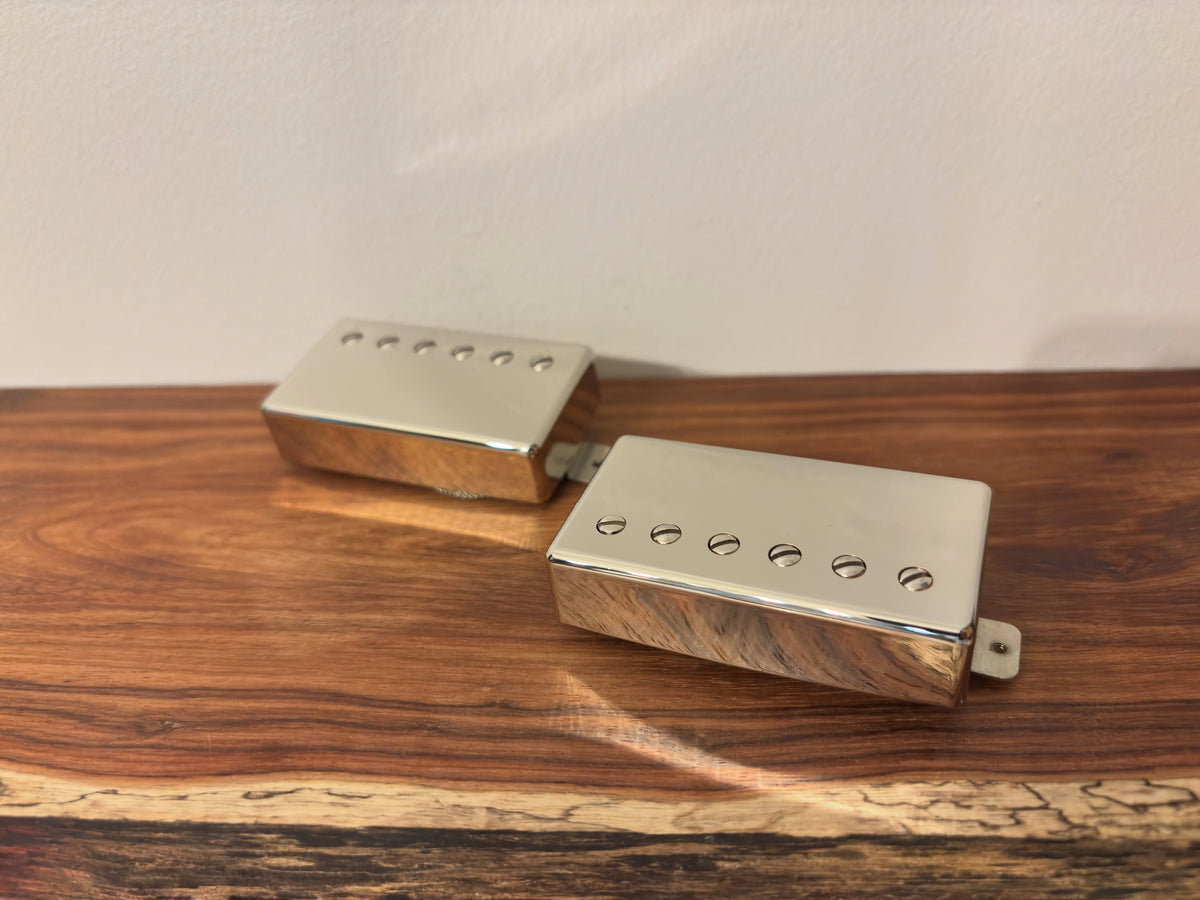
A guitar that suddenly feels flat, noisy, or uneven can send you straight into pickup-shopping mode. Sometimes that is the answer. But the signs pickups need service are often more specific than “my tone isn’t inspiring me lately,” and they can point to a fix that preserves the pickup and the voice you already love.
Pickups are simple devices in principle, but they live in a tough environment: vibration, temperature swings, sweat, spilled drinks, old wiring, poor shielding, and plenty of enthusiastic soldering attempts. Before assuming the coils are dead, take a minute to narrow down what the instrument is actually telling you.
1. One Pickup Has Noticeably Less Output
If your bridge pickup suddenly seems half as loud as your neck pickup, or one position on the selector barely makes a sound, start with the selector switch, volume pot, wiring joints, and output jack. Those components fail more often than the pickup itself, and a loose connection can mimic a dying coil.
Still, a major and persistent output drop can be one of the clearest signs pickups need service. A partially broken coil wire, damaged lead wire, or failing connection at the pickup can reduce output, make the sound thin, or cause it to cut in and out when the guitar moves.
Try this simple test at a sensible stage volume: select each pickup individually, set the guitar controls wide open, and play the same phrase with the same picking attack. A little output difference is normal. Many sets are designed that way. A dramatic imbalance that was not there before is worth investigating.
2. The Pickup Cuts Out When You Tap or Move It
A pickup should not go silent because you tapped the cover, nudged the pickguard, or shifted the cable at the guitar. Intermittent sound is usually a connection issue, but it deserves attention before it becomes a total failure at rehearsal or onstage.
If the sound disappears and returns when you touch a particular pickup, gently move its lead wire, or switch positions, there may be a broken wire or cold solder joint somewhere in the circuit. Do not keep poking around with a screwdriver while the guitar is plugged into a loud amp. Use a light touch, lower the volume, and let a qualified tech check the wiring if you are not comfortable opening the instrument.
The good news is that intermittent problems are often repairable without replacing a pickup. A clean re-solder, new lead wire, or repaired connection may put the guitar right back where it belongs.
3. Hum or Buzz Has Become Worse Than Normal
Single-coils hum. That is part of the classic recipe, and it is not automatically a service issue. A Strat-style pickup under bad fluorescent lights or near a noisy power supply will remind you exactly how honest a single-coil can be.
What is not normal is a sudden jump in noise, especially if it follows you from room to room or remains when you turn away from the amp. If a humbucker that used to run quietly now has a loud buzz in full humbucking mode, something may be wrong with a ground connection, shielding, switch contact, or coil link.
Pay attention to how the noise behaves. If touching the strings or bridge reduces it, the guitar may have a grounding issue. If the noise changes dramatically with pickup selection, the cause may be local to one pickup or its wiring. If every pickup is noisy, look beyond the pickups first: cable, pedalboard, amp, power source, and nearby electronics all deserve suspicion.
4. Certain Strings Sound Weak, Dull, or Too Loud
A pickup does not need to be electrically damaged to need attention. Pickup height and pole-piece balance have a huge influence on output, clarity, sustain, and string-to-string response. A low E that vanishes in a mix or a piercing G string can make a good pickup feel like the wrong pickup.
Before assuming the wind is at fault, check the setup. A pickup sitting too low may sound weak and distant. One sitting too close to the strings can sound harsh, warbly, or strangely out of tune, especially with strong magnets and vintage-style single-coils. Magnetic pull can interfere with string vibration, so “closer equals better” is not the rule.
Start with the pickup at a moderate height, compare the bass and treble sides, and make small adjustments. Listen through your normal rig, not just unplugged or through a phone recording. If the imbalance remains after a sensible setup, the pickup may need a closer look at its magnets, pole pieces, or internal condition.
5. The Guitar Sounds Thin in One Coil-Split or Middle Position
A thin, hollow sound is not always bad. In a Strat’s in-between positions, that scooped, quacky response is the whole point. On a guitar with coil splits, a split humbucker will naturally have less output and low-end weight than its full humbucking mode.
The concern is when the sound is dramatically weaker than expected, noisy, or suddenly different from how it used to behave. A miswired coil split, incorrect phase relationship, or bad connection can leave you with a nasal, almost switched-off sound. The same applies to two-pickup guitars that become thin when both pickups are selected.
Out-of-phase wiring can be a deliberate tonal choice, but accidental phase issues rarely feel musical in a standard setup. This is one of those cases where a quick diagnosis from someone who understands the wiring scheme can save hours of guesswork and prevent an unnecessary pickup replacement.
6. The Pickup Has Physical Damage or Corrosion
Cracked bobbins, loose covers, exposed coil wire, severe rust around pole pieces, and damaged mounting tabs are all reasons to stop and assess the pickup. Not every cosmetic scar affects tone. A little age on a vintage-voiced build can be part of the charm. But physical damage around the coil is different from ordinary wear.
Moisture can also create trouble slowly. Instruments stored in damp basements, garages, or touring trailers may develop corrosion that affects connections and hardware. If a pickup has been exposed to liquid, do not plug it in and hope for the best. Let the guitar dry fully, then have it inspected. The goal is to prevent a small issue from turning into corrosion, a short, or a failed coil.
A rewind can often save a pickup with a damaged coil, while preserving its original magnets, baseplate, cover, and character where appropriate. Whether that is the right call depends on the pickup’s condition and what you want from the guitar. A treasured old pickup may deserve restoration. A generic stock unit might be better replaced with something voiced for the instrument and your playing.
7. Your Tone Has Changed, but the Pickup Still Works
This is the most common gray area. The pickup is not broken. It is simply no longer delivering what you need. Maybe the neck position has become muddy with a new amp, the bridge pickup is too sharp for your band, or your recording setup exposes noise that never bothered you live.
That does not necessarily mean the pickup needs service. It may mean the guitar needs a setup, different pot values, a capacitor change, improved shielding, or a fresh wiring harness. It may also mean you have outgrown the original voicing. Stock pickups are built to satisfy a broad group of players, while your guitar, rig, hands, and musical direction are entirely your own.
Before changing anything, describe the problem in player language. “I want more clarity” is useful, but “my low strings blur under gain and the high strings get ice-picky when I turn up” is far more useful. Mention the guitar, wood construction, scale length, amp, pedals, genres, tuning, and whether you play clean, edge-of-breakup, or high gain. That gives a pickup maker or repair tech a real starting point.
When to Repair, Rewind, or Replace
A repair makes sense when the issue is a lead wire, solder joint, mounting problem, or connection in the electronics. A rewind is worth considering when the coil itself is open or damaged, particularly if the pickup has sentimental value, rare parts, or a sound you want to retain. Replacement is often the better move when you want a different output level, cleaner split tones, less noise, a better bass response, or a voicing that fits the guitar more naturally.
At Pegcity Pickups, we see plenty of instruments that do not need a dramatic overhaul. They need an honest diagnosis and a pickup solution that respects the guitar’s own character. That might be a repair. It might be a rewind. It might be a new hand-wound set built around the sound you have been hearing in your head.
If your guitar is giving you one of these signals, trust your ears, rule out the simple stuff, and get it looked at before the next session or show. The right fix can make an old favorite feel alive again.

Leave a comment
This site is protected by hCaptcha and the hCaptcha Privacy Policy and Terms of Service apply.