
A bass can have fresh strings, a powerful amp, and a full pedalboard, then still disappear the moment the drums and guitars start. That is why the best bass tone upgrades are not always the flashiest ones. They are the changes that let the notes speak clearly, sit in the mix, and feel right under your hands.
For most players, the goal is not to turn a familiar bass into something else entirely. It is to bring out what made you pick it up in the first place: the snap, the low-mid push, the woody neck sound, or the growl that makes a simple eighth-note line feel alive. Start by identifying what your bass is not doing. Then upgrade the part of the signal chain that is actually holding it back.
Start With the Bass in Your Hands
Before changing electronics, spend a little time with the setup. This is not the glamorous answer, but it matters. String height, neck relief, pickup height, fret condition, and string choice all affect attack, sustain, output, and perceived clarity.
A bass set up too low can rattle in a way that eats the fundamental note. One set too high can feel stiff and make you dig in harder than necessary, which may create a harsher attack than you want. Pickup height is especially easy to overlook. Raise pickups too close to the strings and magnetic pull can choke sustain or make notes sound uneven. Set them too low and the instrument can feel weak before it even reaches the amp.
Strings are a real tonal decision, not maintenance trivia. Fresh roundwounds bring top-end detail, harmonic content, and a firmer attack. Flats reduce finger noise and add a focused, settled fundamental. Half-rounds and pressurewounds land somewhere between those two worlds. None is automatically better. A bright set of rounds may solve a dull recording bass, while flats can be exactly what a vintage-style P bass needs to stop fighting a busy band mix.
If your current strings still feel good but the bass has lost definition, clean them and listen again before buying anything. If they are dead, replace them before judging the pickup or electronics.
Know What You Want to Fix
“Better tone” is too broad to guide an upgrade. Get more specific. Is the neck pickup muddy? Does the bridge sound thin and brittle? Are you getting plenty of volume but no note separation? Does the bass sound great alone but vanish onstage? These are different problems, and they do not have the same cure.
A muddy sound is often a low-mid and high-end balance issue, but it can also come from an overly dark pickup voice, old strings, a poorly chosen capacitor value, or aggressive amp EQ. A thin bridge sound may need a pickup with more useful midrange, not simply more output. More output can drive an amp or preamp harder, but it does not guarantee a bigger sound. In some rigs, a very hot pickup actually makes clean headroom and dynamics harder to manage.
Record a short line direct, then through your usual rig. Play fingerstyle and with a pick if you use both. Listen back at low volume and at rehearsal level. You will hear more from a 30-second recording than from an hour of solo playing in the practice room.
The Mix Tells the Truth
Bass tone needs to work with other instruments. A huge low end in isolation can turn to mush beside a kick drum. A bright, clanky bridge tone that feels too sharp at home may provide just enough definition between two distorted guitars.
That does not mean you should settle for a bass sound you dislike. It means the useful target is a sound that feels inspiring and carries the musical job. The right upgrade should make it easier to hear pitch, articulation, and dynamics without forcing you to over-EQ every venue.
Pickups: The Most Direct Voice Change
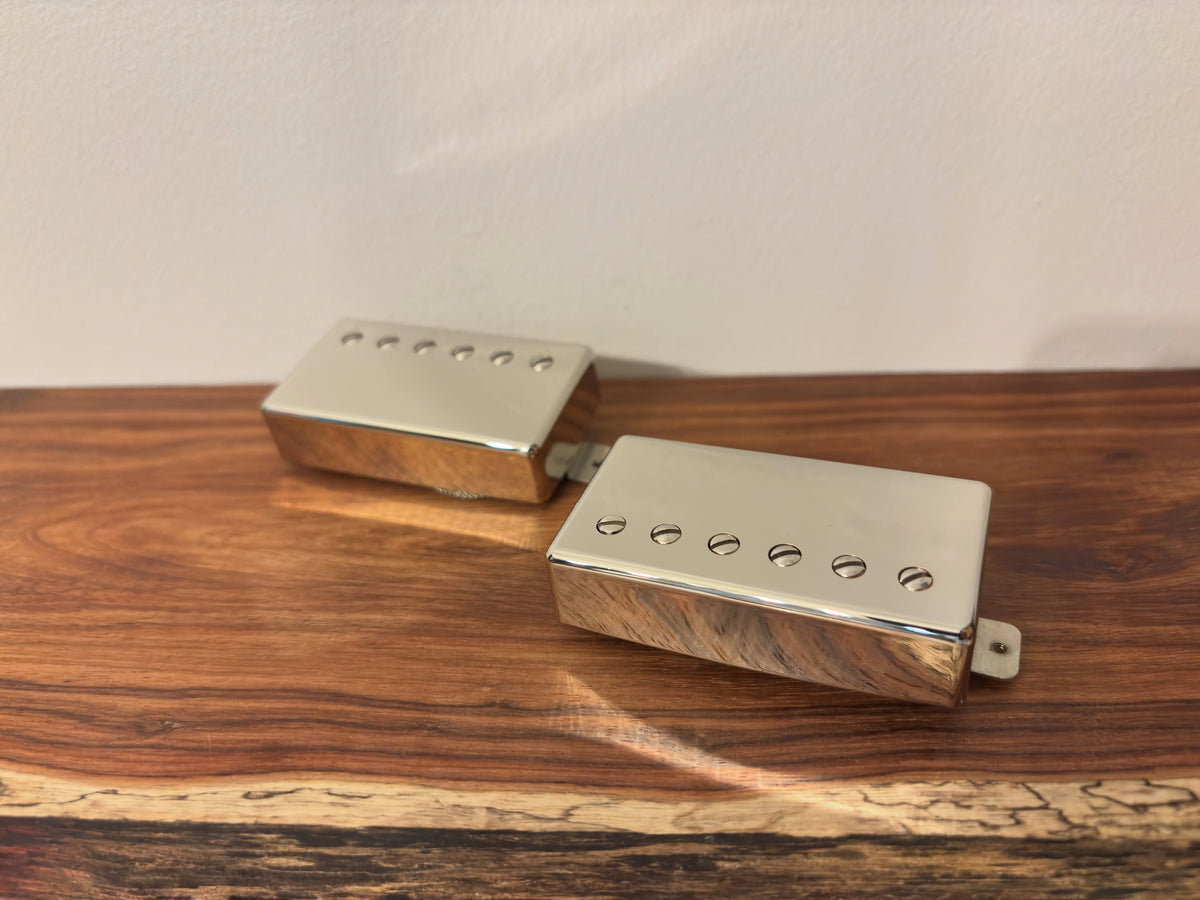
Among bass tone upgrades, pickups are often the most meaningful place to spend money when the instrument is acoustically healthy and plays well. They are where string movement becomes the electrical signal your rig amplifies. Magnet type, coil design, winding pattern, output, and pickup placement all shape the result.
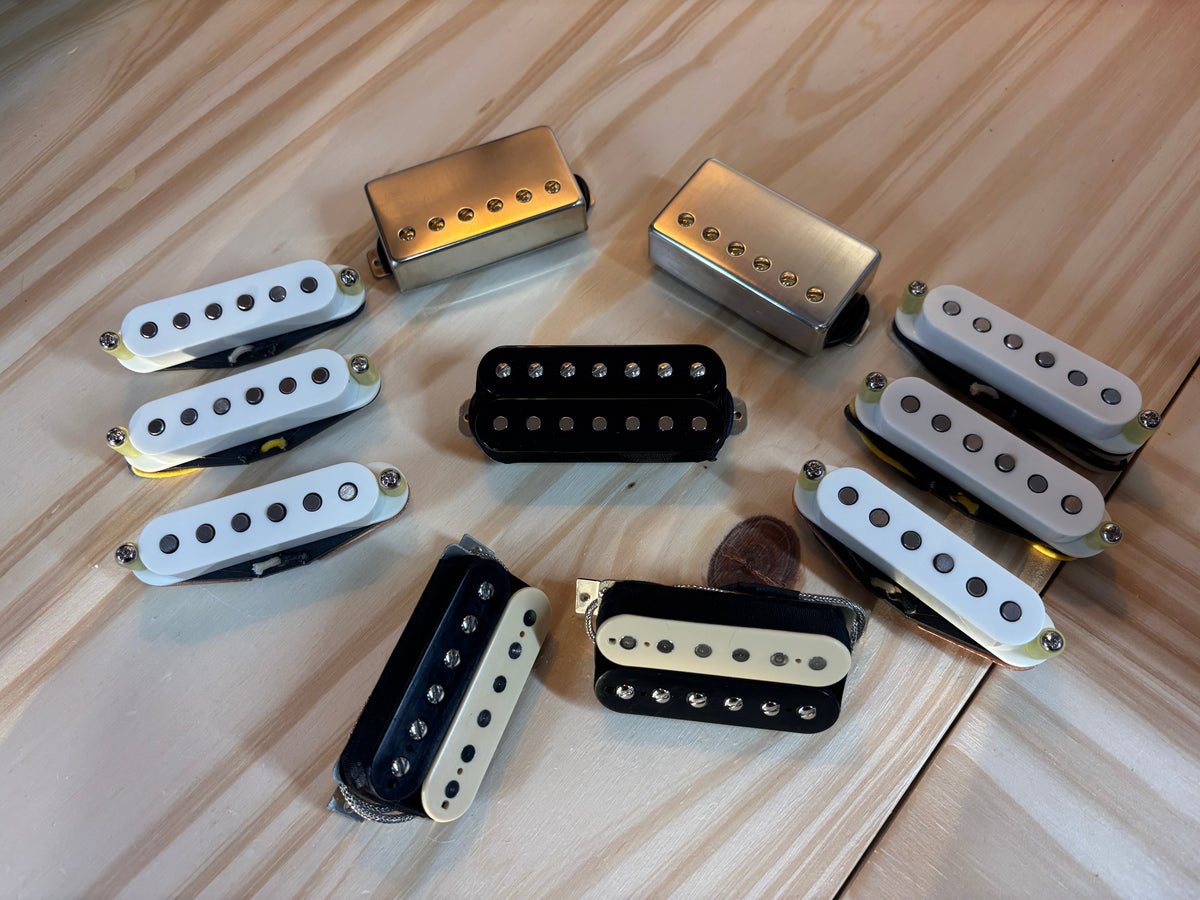
A good replacement pickup should not erase the character of your bass. It should make that character more usable. A clear, vintage-leaning P-style pickup can keep the expected thump while adding enough articulation for recording. A Jazz-style set may be voiced for tighter lows, sweeter highs, stronger midrange, or better balance between the neck and bridge positions. A hum-canceling design can be a practical upgrade for players dealing with noisy stages, studio lighting, or home recording setups.
The temptation is to shop by resistance reading or output label alone. Those numbers offer context, but they do not tell the whole story. Two pickups with similar readings can respond very differently because of wire gauge, magnet material, coil geometry, and how the pickup is built. Describe the sound you want, the bass you own, the amp you use, and the music you play. That is more useful than asking for the “best” pickup.
For a player who needs a little more authority without losing detail, a custom-voiced set can make more sense than choosing between a generic vintage or modern category. Pegcity Pickups builds bass pickups with that kind of real-world conversation in mind: preserving the instrument’s own voice while aiming the response toward the player’s needs.
Electronics Can Refine What the Pickup Hears
If you like the basic voice of your pickups but want better control, look at the wiring before replacing everything. Quality volume and tone pots can offer a smoother sweep and more reliable taper. A worn pot that seems to do nothing until the last few degrees of travel makes fine adjustments frustrating, especially on a dark stage.
The tone capacitor matters most when the tone control is rolled back. A different value can shift the range of the roll-off, but it will not transform a naturally dull bass into a bright one. Think of it as shaping the available control range, not creating a new pickup voice.
Series and parallel wiring can be useful on certain dual-coil or humbucking designs. Series tends to produce a thicker, louder presentation with stronger mids. Parallel is often cleaner, more open, and closer to a traditional single-coil feel. Coil splits can add options, though they may also introduce hum and a noticeable volume drop. If split tones are part of your sound, choose a pickup designed to make those voices genuinely useful rather than treating the split as a novelty setting.
An onboard preamp is worth considering when you need fast, repeatable tonal shaping from the instrument itself. Active EQ can be excellent for cover gigs, switching between rooms, or getting a consistent slap sound without reworking the amp. The trade-off is another battery, more wiring, and a stronger imprint on the bass’s natural response. Passive wiring remains hard to beat for immediacy, simplicity, and the direct feel many players prefer.
Upgrade the Signal Chain in the Right Order
A pickup upgrade cannot compensate for a damaged cable, a speaker that cannot reproduce the lows you are feeding it, or an amp EQ set to scoop away the frequencies that define the note. Work from the instrument outward.
Make sure your cable is reliable, your amp is not over-compressing the attack, and your cabinet is appropriate for the volume you need. Then adjust EQ with restraint. Start flat or close to it. Cut problem areas before boosting everything else. Too much deep bass can make the rig feel impressive under your feet while giving the sound engineer a loose, undefined signal. A measured low-mid boost often gives more usable weight than a massive low-end boost.
Compression can help keep a line present, but heavy compression can flatten the very touch response that makes a good bass feel expressive. If you cannot hear a note, try a small amount of low-mid EQ or a pickup-height adjustment before reaching for more compression.
Give the Upgrade Time to Settle
Once you change a pickup, wiring harness, strings, or setup, resist the urge to judge it in five minutes. Play it through your normal rig, at a real rehearsal, and at recording volume. Adjust pickup height in small increments. A quarter turn of a screw can shift the balance more than expected.
Great bass tone is rarely one magic component. It is a healthy instrument, a pickup voice that suits its wood and construction, electronics that respond predictably, and a rig set to support the song. Make one thoughtful change at a time, listen honestly, and let your bass become more of itself.

Leave a comment
This site is protected by hCaptcha and the hCaptcha Privacy Policy and Terms of Service apply.